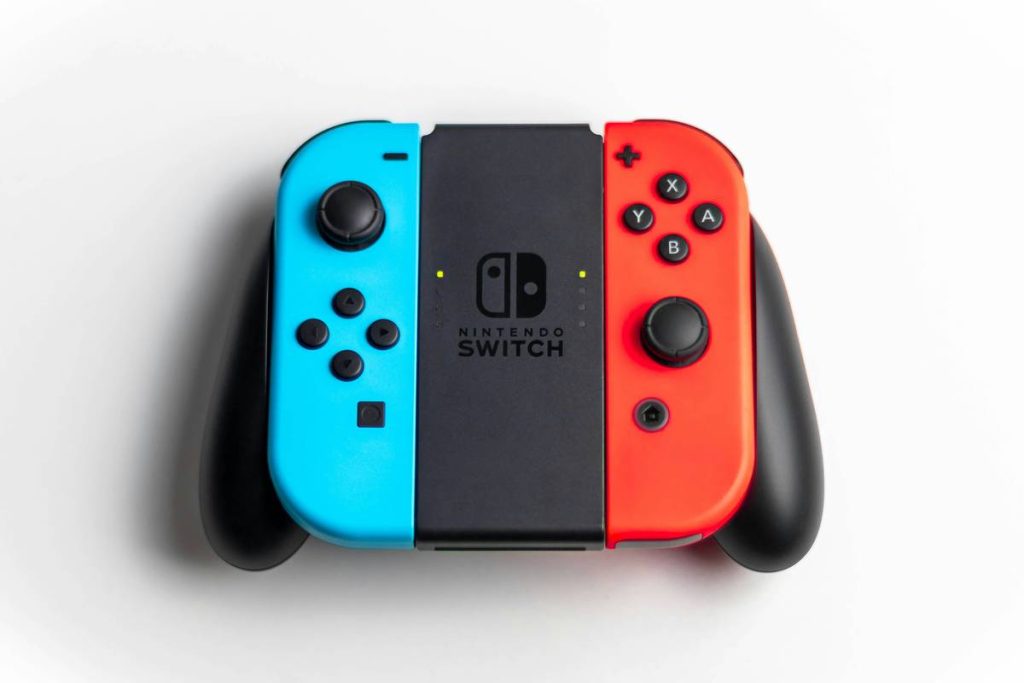
You bought a game onn nintendo switch controller because it was cheap. Now it drifts, disconnects mid-battle, or flat-out dies after two weeks. Frustrating? Absolutely. But here’s the truth: most budget controllers aren’t built to last—they’re built to sell. The real fix isn’t another $20 gamble. It’s knowing what to look for before you click “Buy Now.”
The Hidden Flaw in Budget Nintendo Switch Controllers
Most third-party Joy-Con alternatives cut corners where it hurts most: analog stick potentiometers and wireless chips. They use resistive film instead of hall-effect sensors—meaning wear equals drift. Fast. And that Bluetooth module? Often uncertified, leading to lag spikes during critical moments. You’re not imagining it. The hardware is literally fighting you.
Big brands won’t admit this. Their return policies bury the evidence. But teardowns don’t lie—plastic gears, exposed solder joints, zero shielding. It’s a ticking time bomb wrapped in colorful plastic.
How to Choose a Reliable Game Onn Nintendo Switch Controller
Don’t just swap one junk controller for another. Follow this battle-tested checklist:
Check for Hall-Effect Sensors (Not Potentiometers)
Hall-effect sticks use magnets—no physical contact, no drift. If the product specs mention “magnetic” or “contactless,” you’re in safer territory. Otherwise, assume drift is coming.
Verify Wireless Certification
Look for FCC ID or CE markings in the manual—or better yet, on the controller itself. No certification? High chance of interference with your Wi-Fi or other Bluetooth devices. Lag city.
Battery Life Isn’t Just About Hours—It’s About Cells
A 10-hour claim means nothing if it’s powered by a single 300mAh pouch cell. Real endurance comes from dual-cell designs with smart power routing. Check teardown videos before buying.
| Feature | Budget Trap ($15–$25) | Smart Buy ($35–$50) |
|---|---|---|
| Analog Stick Tech | Resistive film (drift-prone) | Hall-effect (drift-resistant) |
| Wireless Stability | Uncertified Bluetooth 4.0 | FCC-certified Bluetooth 5.0+ |
| Battery Type | Single pouch cell (~8 hrs) | Dual lithium cells (~15+ hrs) |
| Build Material | Brittle ABS plastic | Reinforced polycarbonate shell |
The Industry Secret: OEM Factories Make Both Cheap and Premium Controllers
Here’s what no retailer tells you: the same Chinese factory that builds your $20 game onn nintendo switch controller also assembles units for major gaming brands—using different component bins. Same assembly line. Different parts. Want proof? Check the PCB board markings. You’ll often find identical layout IDs across $20 and $60 models. The difference? QA standards and component sourcing. That “premium” brand might just be paying extra for stricter QC—not R&D. So when shopping, prioritize sellers who disclose their factory partners or publish component lists. Transparency beats branding every time.
Frequently Asked Questions
Does the Game Onn Nintendo Switch controller support motion controls?
No—it lacks gyroscopes and accelerometers. Don’t expect Splatoon or Zelda aiming precision.
Can I use a Game Onn controller while docked?
Yes, but only via USB cable. Most models drop wireless functionality in docked mode due to power-saving firmware.
Why does my controller disconnect during gameplay?
Likely an unshielded Bluetooth antenna. Cheap controllers often route signals near power circuits—causing interference under load.