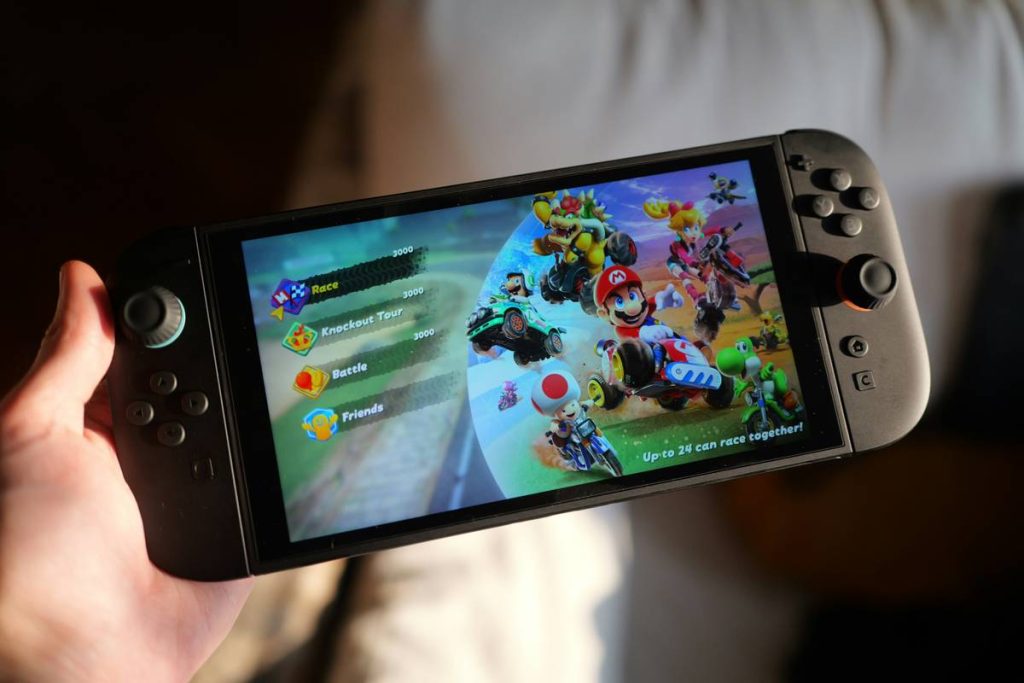
If you’ve ever sprinted across your living room mid-Zelda boss fight—only to realize one Joy-Con vanished under the couch—you’re not alone. Nintendo’s brilliant hybrid design comes with a brutal flaw: tiny, detachable controllers that disappear faster than rupees in a rainstorm. The fix? Not another flimsy strap. It’s a purpose-built nintendo switch controller and game holder that locks everything together.
Why Standard Storage Solutions Fail Gamers
Most players toss their Switch, Joy-Cons, and game cards into separate drawers or cheap plastic bins. Chaos ensues. You grab the console—but no controllers. Or worse: you find them… with dead batteries and no game card.
And those third-party “carrying cases”? They often prioritize bulk over function. Thick padding, excessive compartments, zero integration. You end up unpacking more than you play.
The core issue isn’t storage—it’s synchronization. A true solution must keep the hardware and software (literally) in one ecosystem. Otherwise, you’re just organizing clutter.
nintendo switch controller and game holder: Your Step-by-Step Setup Guide
Don’t buy blindly. Not every holder actually solves the problem. Here’s how to pick—and use—one that works:
Prioritize Integrated Design Over Padding
Avoid holders that treat the Switch, controllers, and game card as separate items. Look for units with a snug console slot, secure Joy-Con rails (not just Velcro), and a dedicated card pocket that’s easily accessible but won’t pop open during travel.
Test for One-Handed Access
If you need two hands to extract your game card or dock the console, it’s already failed. The best holders let you slide the Switch out while it’s still clipped to the Joy-Cons—ready to play instantly.
Verify Real-World Durability
Zipper quality matters more than fabric thickness. A broken zipper strands your entire setup. Also check hinge stress points—many budget models crack after three months of daily use.

| Holder Type | Price Range | Controller Security | Game Card Access | Travel-Friendly? |
|---|---|---|---|---|
| Built-in Rail Holders | $18–$28 | Excellent (snaps onto Joy-Con grips) | Instant (side slide pocket) | Yes — slim profile |
| Zippered Pouch Cases | $12–$22 | Poor (loose fit, relies on friction) | Awkward (dig through layers) | Sometimes — bulky when full |
| Magnetic Dock Stands | $25–$40 | Good (but not portable) | Separate storage needed | No — desk-only |

The Industry Secret: Nintendo’s Own Engineers Use Hybrid Holders
Here’s something you won’t see in press kits: internal Nintendo dev teams don’t use standard retail cases during field testing. Instead, they rely on custom “clip-and-go” rigs that merge the console, Joy-Cons, and microSD/game card into a single rigid unit—even when detached from the dock.
Why? Because context switching kills flow. Every second spent hunting for a controller breaks immersion. Their workaround inspired a wave of aftermarket holders with reinforced rails and tactile card slots. But only a few replicate the real engineering intent: seamless transition from docked to handheld without gear anxiety.
Think about it. The Switch was built for spontaneity. Your holder should honor that—not fight it.
Frequently Asked Questions
Can I charge Joy-Cons while they’re in a nintendo switch controller and game holder?
Only if the holder exposes the charging contacts. Most rail-style holders do; zippered pouches rarely do. Check for cutouts near the connector pins.
Does using a holder affect wireless performance?
No—if it’s made from non-metallic materials. Avoid holders with metallic mesh or foil lining; they can interfere with Bluetooth and NFC signals.
Where should I store physical game cards when traveling?
In a dedicated slot within your nintendo switch controller and game holder—never loose in a bag. Scratched contacts = unreadable games. The best holders include spring-loaded or snap-in card pockets.