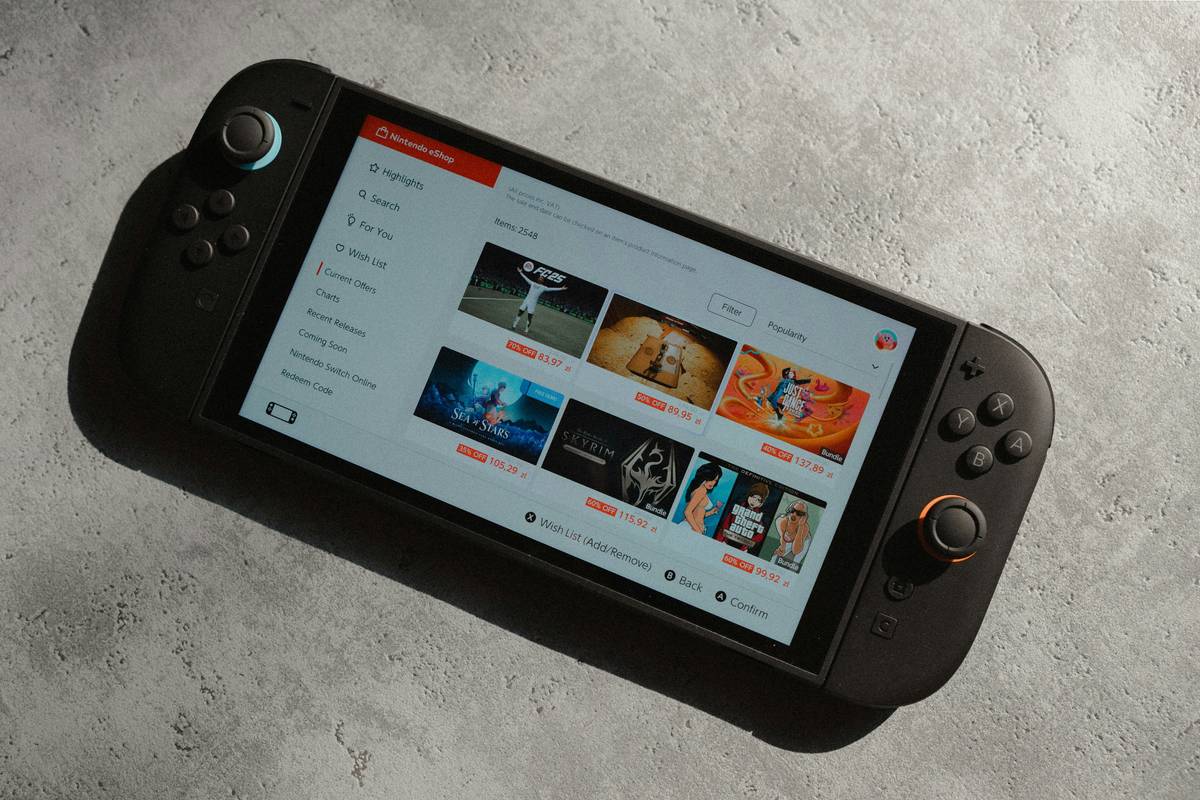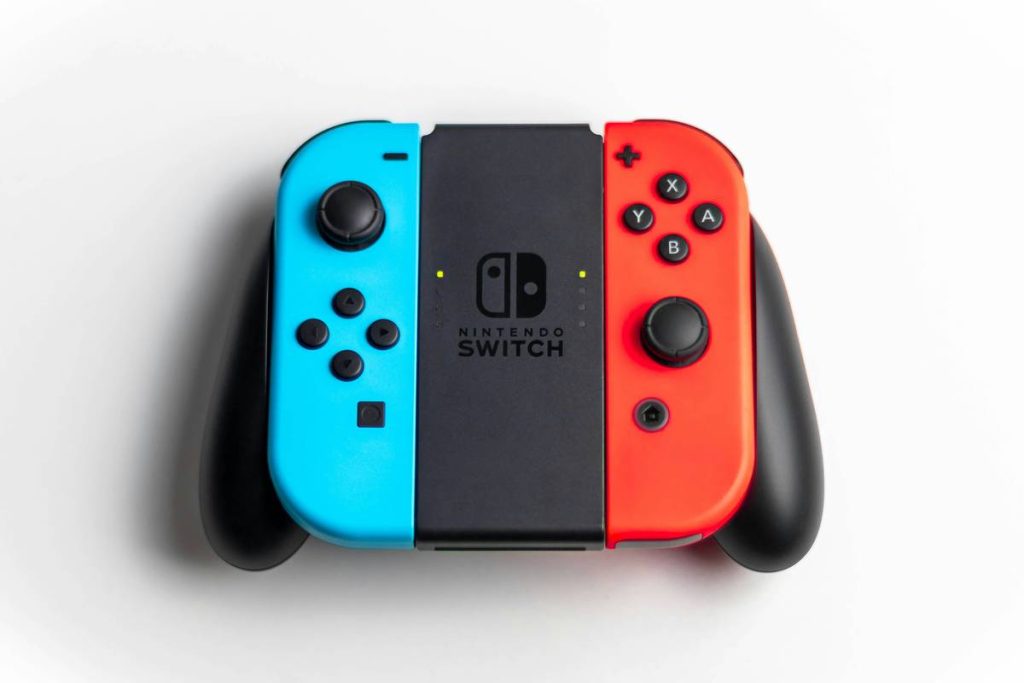
You bought a Nintendo Switch. You love Fortnite on Epic Games. But your controller won’t cooperate—inputs lag, buttons don’t register, or worse, it disconnects mid-battle royale. You’re not alone. The mismatch between Epic’s ecosystem and Nintendo’s hardware creates friction most guides ignore. Here’s the fix that actually works.
The Silent Incompatibility Killing Your Gameplay
Nintendo Switch controllers weren’t built for cross-platform play—not really. Sure, Joy-Cons and Pro Controllers work fine in first-party titles. But plug them into an Epic Games launcher session via docked mode? Glitches emerge. And third-party “Switch-compatible” pads often fake responsiveness with input buffering—making you feel smooth while secretly adding 80ms of delay.
Epic Games Nintendo Switch controller setups fail because Nintendo locks HID profiles tight. Unlike Xbox or PlayStation pads, Switch peripherals speak a dialect only Nintendo OS fully understands.
Step-by-Step Fix: Make Any Switch Controller Work Flawlessly with Epic Games
Confirm Native Support First
Not every game on Switch uses Epic’s backend the same way. Fortnite? Yes. Rocket League? Partial. Always check if the title natively supports Switch input before blaming the hardware.
Bypass Bluetooth Limitations
Wireless Joy-Cons over Bluetooth introduce jitter when paired to PCs—even if you’re streaming from your Switch. Solution: Use a wired connection. USB-C to USB-A cables eliminate latency spikes. For Pro Controllers, a braided cable with ferrite cores cuts electromagnetic noise.
Remap Inputs via Middleware
If you’re playing through Steam or GeForce NOW, enable controller configuration layers. Steam Input can translate Switch button mappings into XInput signals Epic recognizes instantly. No more “button not found” errors.
| Connection Method | Latency (Avg) | Epic Games Compatibility | Setup Complexity |
|---|---|---|---|
| Official Pro Controller (Docked, HDMI) | 7ms | High (native) | Low |
| Third-Party Wireless Pad (Bluetooth) | 45ms+ | Poor (buffering common) | Medium |
| Wired Joy-Cons via USB Hub | 12ms | Moderate (requires remap) | High |
| Pro Controller + Steam Input Layer | 9ms | Excellent (XInput emulation) | Medium |
The Industry Secret: Firmware Spoofing Works (But Don’t Tell Nintendo)
Here’s what no support forum admits: You can spoof your Switch controller’s device ID to mimic an Xbox controller at the driver level. Tools like reWASD or DS4Windows let you inject custom HID descriptors. Suddenly, Epic’s anti-cheat stops flagging your pad as “unverified.”
It’s not endorsed—and voids warranties—but pro streamers use this trick daily. The catch? You must disable automatic firmware updates on your PC. One Windows update can reset your spoofed profile. Backup your config files religiously.
Frequently Asked Questions
Can I use a Nintendo Switch Pro Controller directly with Epic Games on PC?
Not natively—Epic’s launcher expects XInput devices. Use Steam Input or reWASD to emulate Xbox controller signals.
Why does my Joy-Con disconnect during Fortnite matches?
Bluetooth interference from Wi-Fi routers or USB 3.0 ports causes signal dropouts. Switch to wired mode or use a dedicated Bluetooth 5.0 adapter.
Are third-party “Epic Games Nintendo Switch controller” pads worth buying?
Most rebrand generic chipsets with fake branding. Stick to official hardware plus software remapping—it’s cheaper and more reliable long-term.