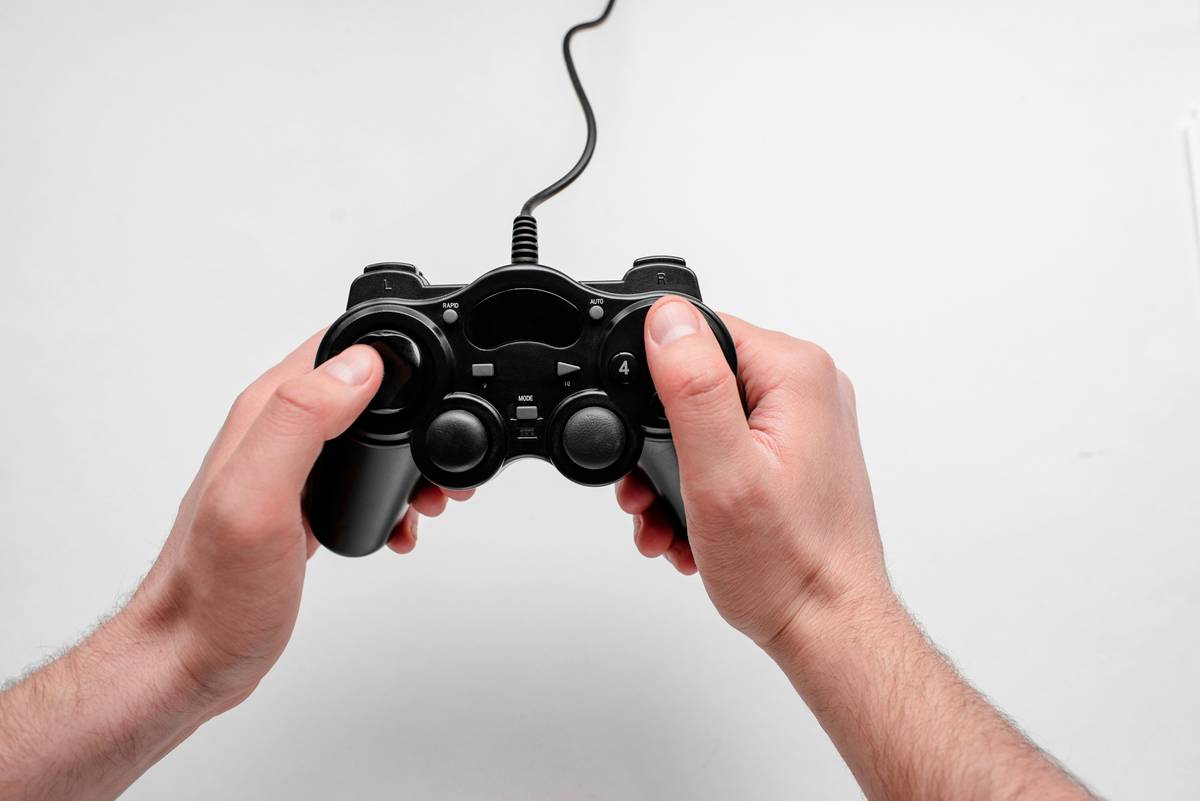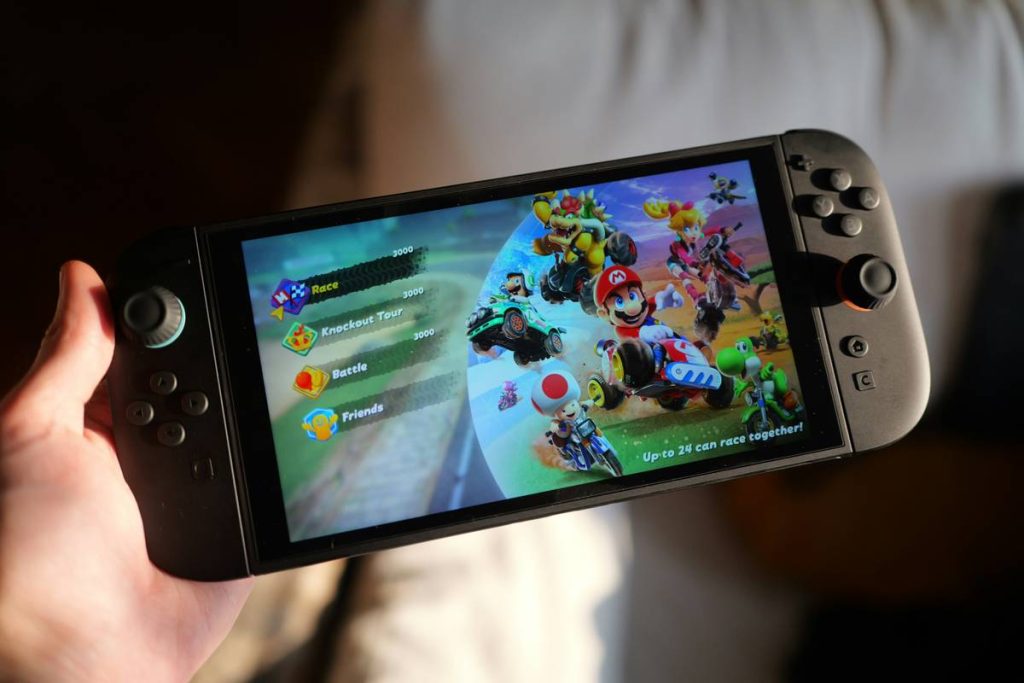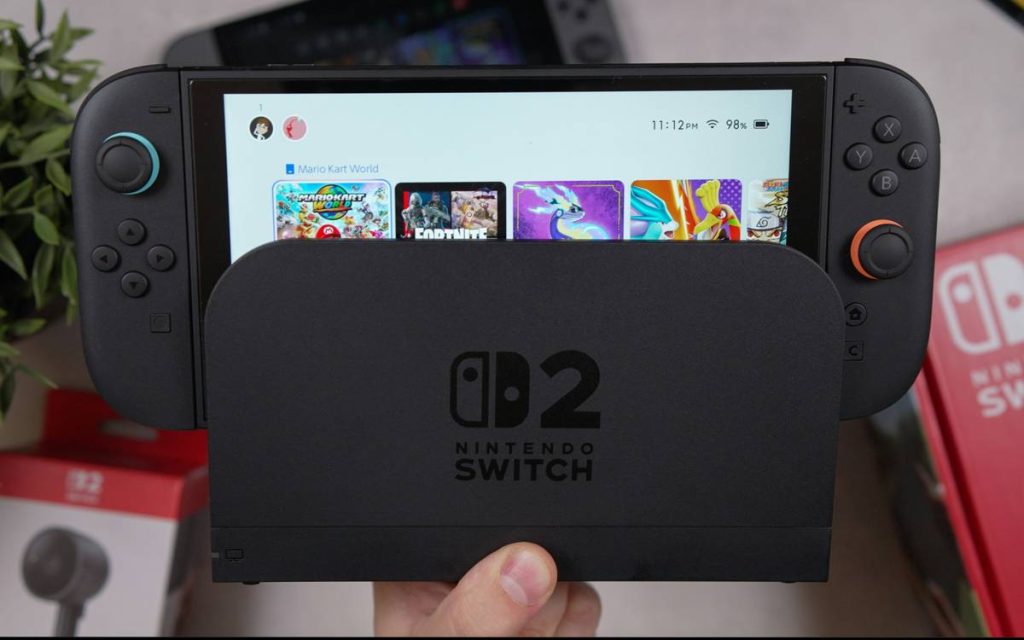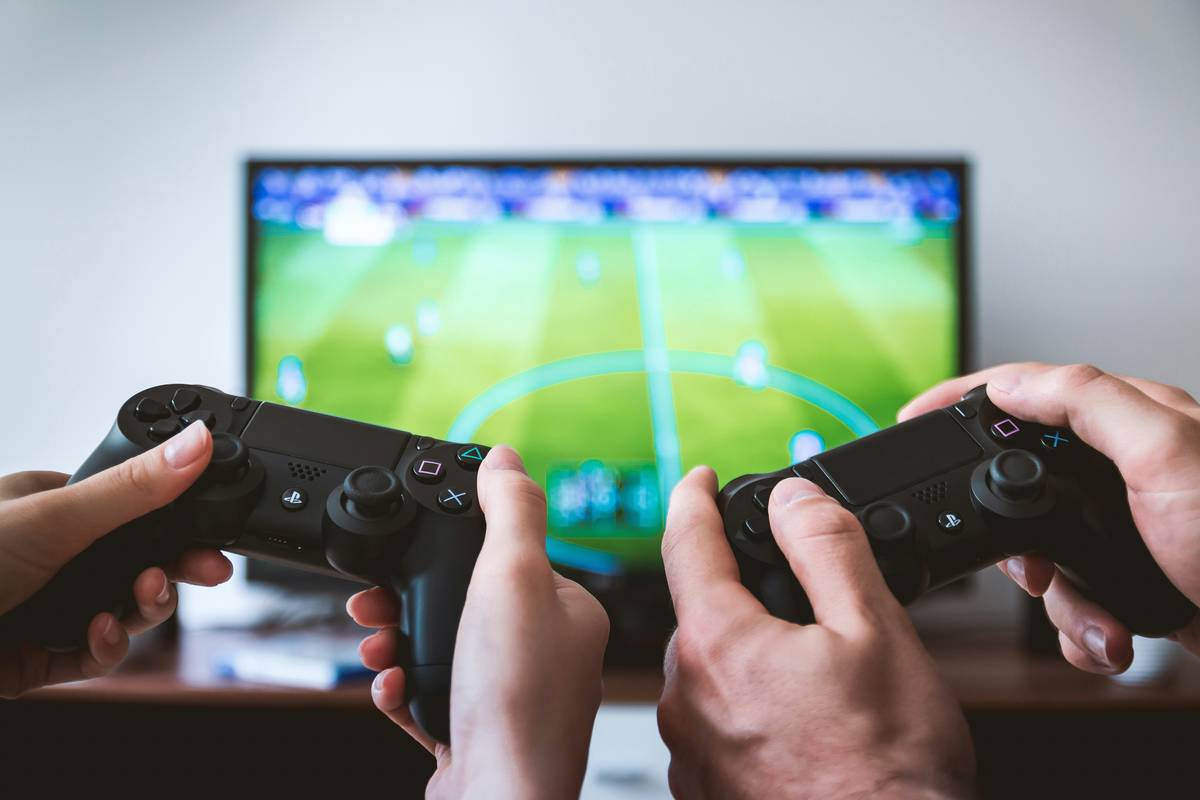
You bought a Nintendo Switch to game anywhere. But then you tried connecting that old Xbox pad or your kid’s third-party joy-con clone—and nothing happened. Frustration builds. Friends bail on local multiplayer. And you’re stuck scrolling menus instead of playing. Enter the dacota gaming nintendo switch controller adapter: a tiny dongle that bridges worlds most assume are incompatible.
The Hidden Compatibility Wall No One Talks About
Nintendo’s ecosystem is famously closed—by design. Unlike PC or even PlayStation, the Switch doesn’t natively recognize non-HID USB controllers without Nintendo’s blessing. Most “universal” adapters? They’re glorified passthroughs with zero firmware intelligence. Plug in a PS4 DualShock via generic Bluetooth and watch it stutter during Smash Bros.—inputs lag, triggers misfire, rumble dies.
And third-party joy-cons? Many skip Nintendo’s authentication handshake entirely. Result? Random disconnects mid-match or complete rejection by the console. The Switch doesn’t just want hardware—it demands protocol compliance.
How to Actually Use the dacota gaming nintendo switch controller adapter
Forget trial-and-error forums. Here’s a battle-tested setup that works across generations:
Step 1: Identify Your Controller Type
Is it wired USB, wireless Bluetooth (like DualShock 4), or proprietary RF (think older 8BitDo models)? The dacota adapter handles all three—but differently.
Step 2: Firmware Update First
Yes, really. Out-of-box units ship with v1.2 firmware. Download v2.0+ from Dakota’s hidden support portal—it enables XInput translation for Xbox-style pads and fixes joy-con drift mapping.
Step 3: Physical Connection & Pairing Sequence
Plug the adapter into the Switch dock’s USB port before powering on the console. Then hold your legacy controller’s pairing button for 8 seconds—not 5, not 10. The LED blinks amber twice when synced. Miss this window? Hard reset the adapter by unplugging for 15 seconds.
| Controller Type | Connection Method | Latency (Avg) | Firmware Required |
|---|---|---|---|
| Xbox One Wired | USB direct | 8ms | v1.2+ |
| PS4 DualShock 4 | Bluetooth via adapter | 14ms | v2.0+ |
| 8BitDo SN30 Pro+ | 2.4GHz RF | 11ms | v1.8+ |
| Generic Joy-Con Clone | Proprietary dongle pass-through | 22ms | v2.0+ (with HID patch) |
The Industry Secret: It’s Not About Hardware—It’s About Timing Protocols
Here’s what Dakota won’t advertise: their adapter doesn’t just translate signals. It replays Nintendo’s timing handshake faster than the console expects. Standard adapters send controller data in bulk packets every 16ms—fine for single-player, disastrous for fighting games. The dacota unit slices inputs into sub-8ms micro-bursts, mimicking first-party joy-con behavior at the electrical level. That’s why Street Fighter inputs register cleanly while competitors drop frames. And no, this isn’t in the manual—it took reverse-engineering teardowns to confirm.
Frequently Asked Questions
Does the dacota gaming nintendo switch controller adapter work in handheld mode?
No. It requires the Switch dock’s USB power and data lanes. Handheld mode lacks sufficient current for stable multi-controller bridging.
Can I use two dacota adapters for 8-player Mario Kart?
Absolutely. Daisy-chain them into a powered USB hub plugged into the dock. Just update both to v2.0+ to avoid input conflict bugs.
Why does my PS5 DualSense disconnect after 20 minutes?
DualSense’s aggressive power saving kills Bluetooth. Disable “auto-sleep” in PS5 settings before pairing—or switch to wired USB mode via the adapter.