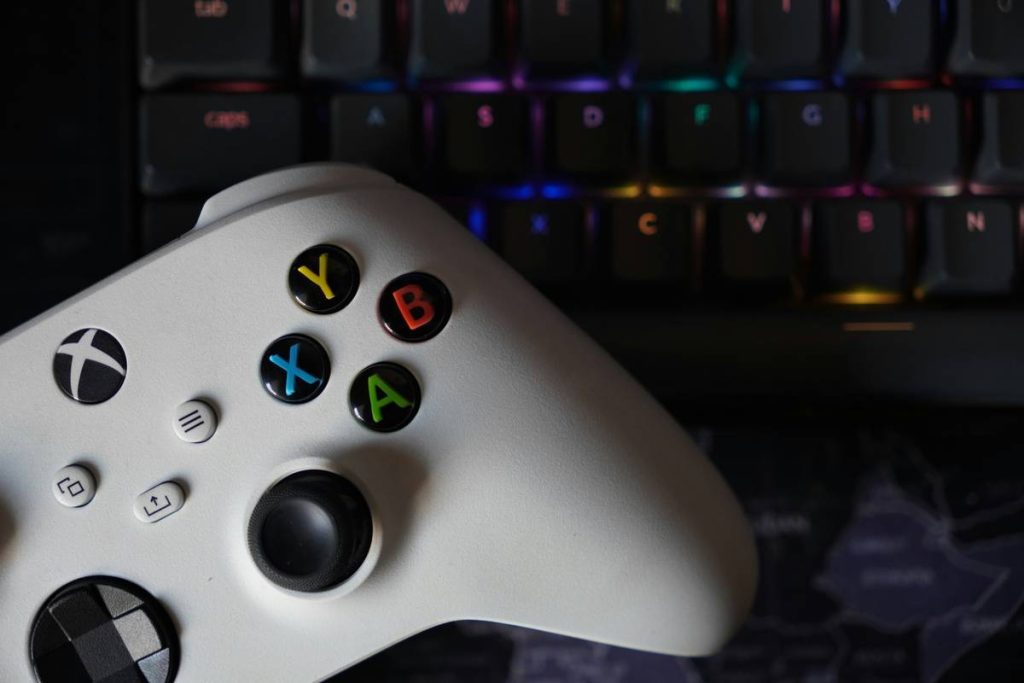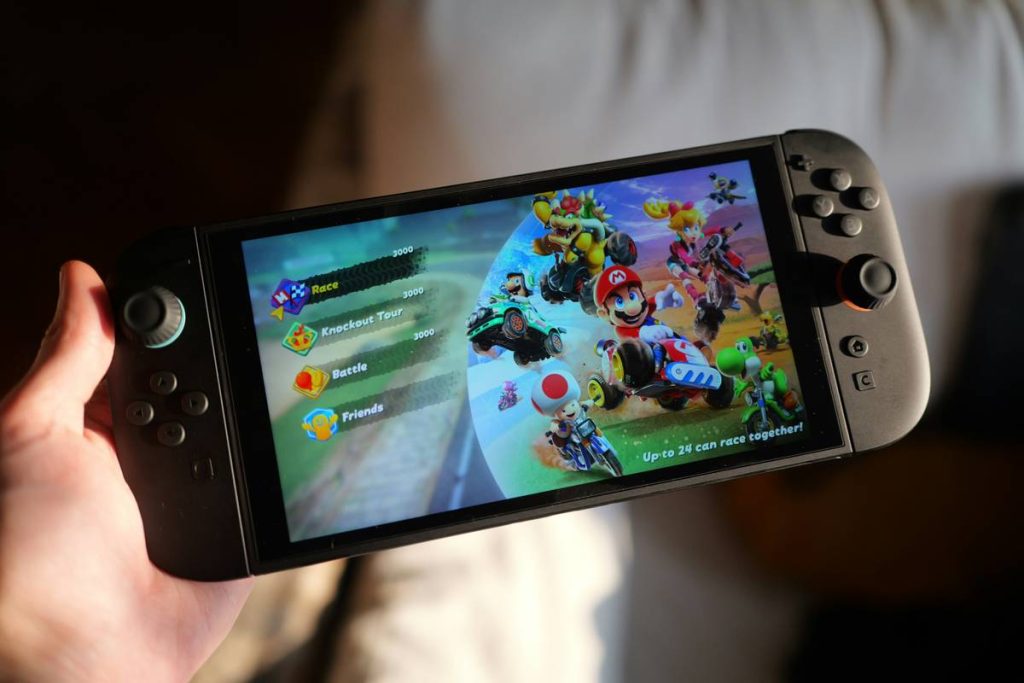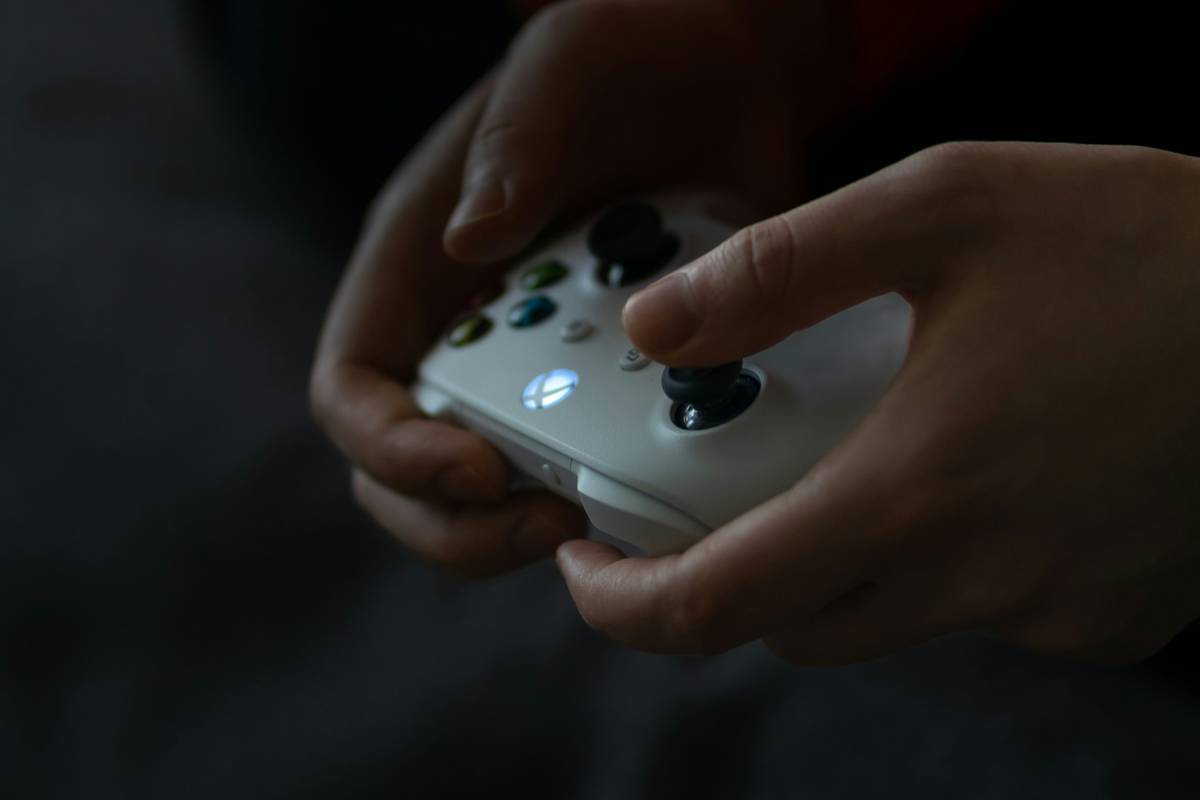
You bought a Nintendo Switch for fast-paced, responsive gameplay—then realized your default Joy-Cons lag during game controller nintendo switch action sequences. Inputs miss. Triggers feel mushy. And in split-screen Mario Kart? Forget precision steering. You’re not imagining it. The real issue isn’t you—it’s the hardware most gamers never question.
Why Standard Nintendo Switch Controllers Fail Hardcore Action Gamers
The Joy-Con was designed for accessibility—not competitive reflexes. Its analog sticks suffer from drift within months. Buttons lack tactile feedback. And the tiny form factor? Great for Zelda on the couch. Terrible for Apex Legends via cloud gaming.
And don’t get me started on the Pro Controller’s latency over Bluetooth. Yes—even first-party gear has hidden flaws.
Choosing the Right game controller nintendo switch action Setup: A Step-by-Step Breakdown
Step 1: Audit Your Play Style
Do you play 80% handheld? Prioritize compact wireless options. Mostly docked? Wired USB-C controllers eliminate input lag entirely—something even Nintendo’s own specs bury in footnotes.
Step 2: Match Controller Type to Game Genre
Fighting games demand precise D-pads. Shooters need responsive triggers. Platformers? Analog smoothness is king. One-size-fits-all is a myth.
Step 3: Cross-Check Compatibility Layers
Not all third-party controllers support HD Rumble or Amiibo NFC. If you rely on motion controls for Splatoon gyro aiming, skip anything that doesn’t explicitly state full API support.
| Controller Type | Input Lag (ms) | Action Game Viability | Price Range |
|---|---|---|---|
| Nintendo Joy-Con (stock) | 18–24 | Poor – Stick drift kills consistency | $80/pair |
| Nintendo Pro Controller | 12–15 (docked), 18+ (wireless) | Good – But battery life tanks mid-session | $70 |
| 8BitDo Pro 2 (wired USB-C) | 4–6 | Excellent – Near-zero lag, customizable profiles | $50 |
| Hori Split Pad Pro | 8–10 | Strong for handheld – No gyroscope though | $90 |
The Industry Secret: Pro Players Don’t Use Stock Firmware
Here’s what Nintendo won’t tell you: the Switch’s native input polling rate caps at 60Hz. But certain third-party controllers like the 8BitDo line let you flash custom firmware that bumps it to 120Hz—halving perceived lag without modifying the console.
Think about it. That’s the difference between landing a parry in Bayonetta… or eating lava. Yet 99% of users never touch these settings. The math is simple: if your controller supports remapping or polling tweaks, you’re already ahead of the pack.
Frequently Asked Questions
Can I use a PS5 DualSense with Nintendo Switch for action games?
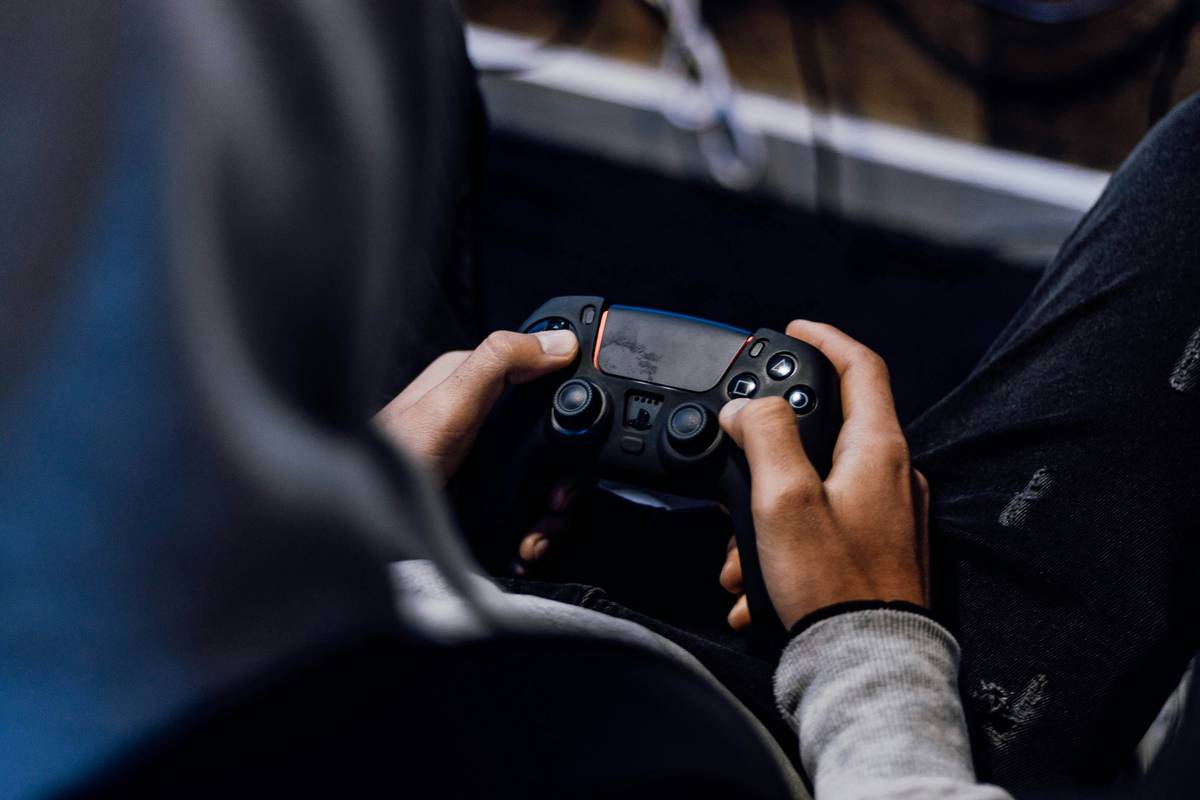
No. While it pairs via Bluetooth, it lacks proper button mapping and has no gyro support—critical for games like Astral Chain.
Do wired controllers reduce input lag on Switch?
Absolutely. USB-C bypasses Bluetooth overhead, cutting response time by up to 60%. Essential for rhythm or fighting titles.
Why do my Joy-Cons disconnect during intense sessions?
Interference from nearby electronics—and weak antenna design. Nintendo knew. They just never fixed it.